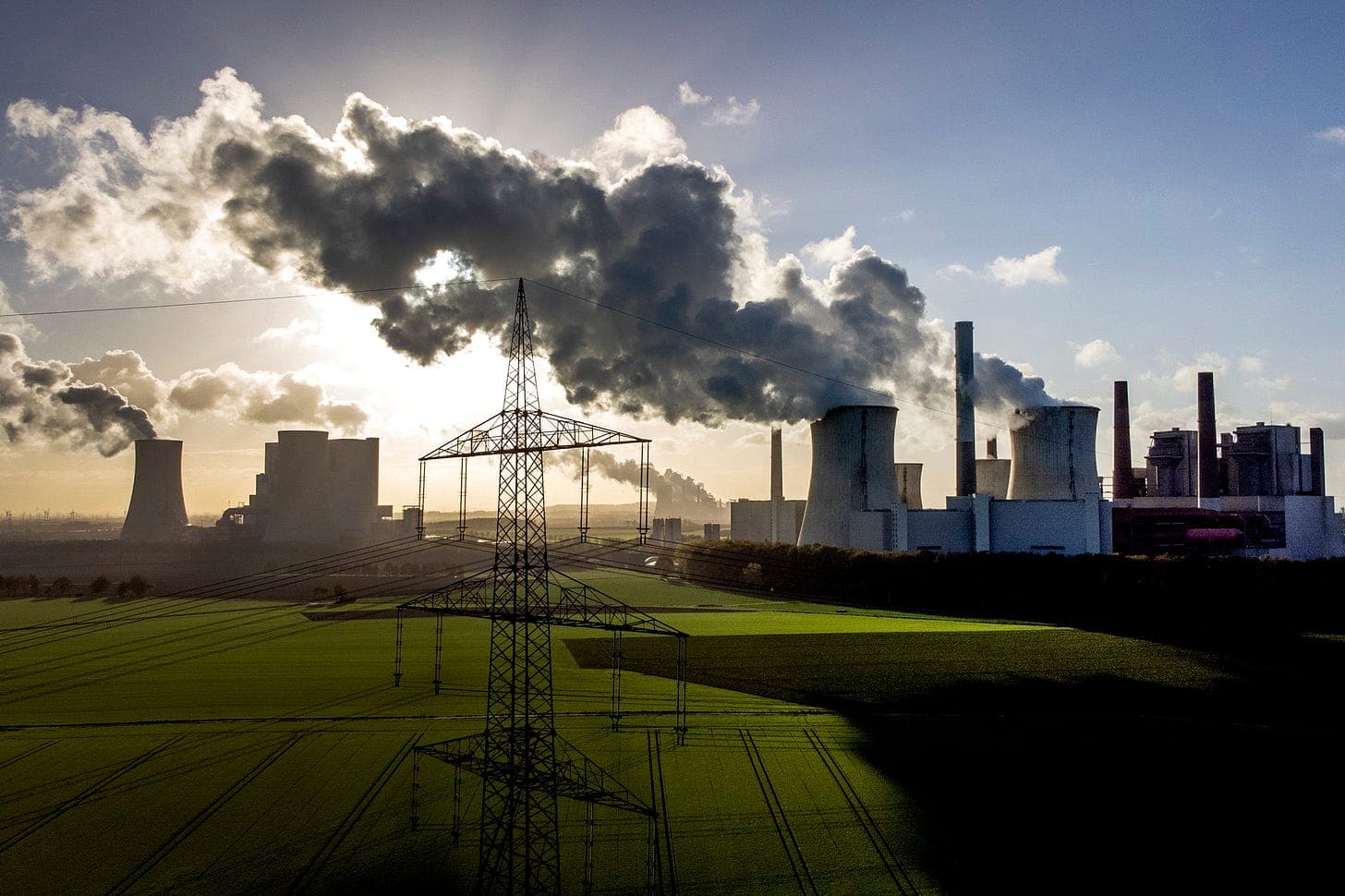
The latest data shows carbon emissions are outpacing earlier projections and the world could breach the critical 1.5°C climate threshold within the next decade. This alarming news means the climate crisis is happening faster than scientists predicted, highlighting the urgent need for swift action to curb emissions and prevent the worst impacts of global warming.
In this expansive 9,500 word guide, we’ll dive into the key details around these new findings, what they mean for the planet, and what needs to be done now to steer humanity away from climate catastrophe.
New Report Sounds the Alarm on Faster Than Expected Emissions Growth
A new report from the Global Carbon Project delivers a stark warning: global carbon emissions are continuing to rise rapidly and are on track to blow past the 1.5°C global warming limit set under the Paris Climate Agreement much sooner than previously estimated.
Specifically, the data shows carbon emissions grew by 1% in 2021 to reach 36.3 billion tonnes. This marks a return to high emission levels after a temporary dip during the early stages of the Covid-19 pandemic in 2020.
More worrying is that over the past decade, emissions have continued climbing steadily at a rate of 1.3% per year. At this pace, the budget for the 1.5°C threshold could be used up in just nine years, or possibly even sooner if emissions growth accelerates further.
This trajectory underscores the immense scale of the climate challenge facing humanity. Curbing emissions fast enough to meet the Paris goals will require unprecedented effort and coordination on a global scale.
Why The 1.5°C Threshold Matters

The 1.5°C mark represents a critical temperature limit set under the 2015 Paris Climate Agreement. Keeping global warming below this level compared to pre-industrial times is vital to avoid triggering catastrophic climate change impacts.
However, we are dangerously close already. The world has warmed by nearly 1.2°C on average, meaning there is precious little room left in the carbon budget before breaching the 1.5° limit becomes inevitable.
Exceeding 1.5°C risks unleashing severe and irreversible consequences worldwide. From rising seas that swallow coastal cities to deadly heat waves and droughts, runaway climate change threatens the stability of societies and ecosystems globally.
That’s why this threshold serves as an essential guardrail for humanity. Yet each year of high emissions edges the world closer to the brink. Urgent action is required now to change course.
Accelerating Emissions Growth Defies Earlier Projections
Perhaps most worrying is that the latest data reveals global emissions are actually rising faster than scientists previously predicted. Earlier models estimated the carbon budget for 1.5°C would last into the early 2030s.
But real-world measurements are blowing those estimates out of the water. Actual emissions growth over the past decade has outpaced those predictions substantially.
Several factors account for this disconnect between projections and reality. For one, models failed to anticipate spikes from emerging economies such as India and Indonesia where energy demand is surging.
Additionally, the pandemic led to a temporary emissions drop in 2020. As economies rebound, this decline is proving short-lived as high-carbon activity ramps back up.
Altogether, these developments underscore how rapidly the window is closing to meet the 1.5°C goal. The world is careening towards this limit sooner than once thought, revealing the urgent need to accelerate climate action immediately.
Which Countries Produce the Most Emissions?

Zooming in on the new data reveals huge disparities in emissions across different nations. A handful of major economies generate an outsized share of global carbon pollution.
The top three emitters alone – China, the U.S., and India – account for over 50% of total CO2 emissions. Meanwhile, the European Union contributes around 7.5% as the world’s third highest emitting bloc.
Drilling deeper, the report highlights how emissions remain tightly coupled to economic growth and energy consumption. The U.S. and E.U. posted higher emissions in 2021 as their economies rebounded from pandemic slowdowns.
China also saw emissions climb in 2021 as its vast manufacturing sector expanded. However, China’s emissions grew more slowly than in prior years as the government promoted renewable power and electric vehicles.
Clearly, steering these massive economies onto more sustainable, low-carbon pathways will be critical to bending the global emissions curve. Progress from major players like China and the U.S. can shift the tide.
Which Sectors Generate the Most Emissions?
Looking at emissions by sector reveals over three-quarters stem from energy production and use. Namely, burning coal, oil, and natural gas for electricity, transportation, heating, and industrial processes pumps out huge volumes of CO2.
The largest chunk – about 40% of emissions – comes from generating electricity and heat. This highlights the importance of transitioning power grids worldwide to clean energy sources like solar, wind, hydro, and nuclear.
The next major sector is transportation, responsible for around 20% of emissions. Most comes from burning gasoline and diesel in internal combustion vehicles. Electrifying transport through electric vehicles and biofuels can help decarbonize this sector.
Industrial activities such as manufacturing, construction, and mining also contribute about 20%. Improving efficiency and adopting new technologies like green hydrogen can curb industrial emissions.
Finally, around 10% arises from commercial and residential buildings. Upgrades like weatherization, energy-efficient appliances, and electric heating can reduce energy needs and emissions from buildings.
Altogether, targeting these high-emitting sectors through policy, innovation, and consumer shifts can put meaningful dents in emissions at the pace required.
Global Carbon Sinks Offer Reason for Hope
Amid the alarming emissions data, the report highlights a slight silver lining: the ability of global carbon sinks to absorb CO2 is growing.
Forests, soil, and oceans act as crucial carbon sinks that take up nearly half of human-caused emissions. Vegetation and the oceans in particular absorbed more carbon than usual in 2021.
For example, ocean uptake rose to 7.6 billion tonnes of CO2 as algae growth accelerated. And vegetation worldwide absorbed more carbon as climate change drove plant growth in certain areas.
However, relying on sinks alone is hugely risky and uncertain. Absorption capacity could become saturated or decline under climate change stresses like droughts, wildfires, or marine heatwaves.
As such, natural sinks should be seen as a supplement to rapid emissions cuts, not an alternative. Protecting and enhancing sinks can help buy time but is no substitute for the hard work of decarbonization across every sector worldwide.
Scientists Emphasize Need for Urgent Action

Overall, climate researchers behind the report stress the data should serve as deafening alarm bells for policymakers everywhere.
At our current trajectory, the world is less than a decade away from exhausting the 1.5°C carbon budget. Every year of inaction brings us closer to the precipice.
Reining in emissions enough to meet climate targets demands a wholesale economic transformation on a scale with no precedent. Power grids, transportation networks, supply chains, industries, agriculture systems, and cities worldwide must undergo rapid decarbonization.
A wide range of solutions exist from clean energy to electric cars to plant-based diets. But deploying these to achieve deep emissions cuts will require herculean effort and coordination.
There are hopeful signs of progress, as seen in China’s embrace of EVs or the E.U.’s aggressive climate policies. However, current actions remain far too incremental. A drastic acceleration is essential this decade to preserve a safe climate future.
Humanity faces a narrow window to act decisively and steer away from climate catastrophe. We cannot afford to delay any longer – the time for bold action is now.
What Do These Findings Mean for the Planet?
Clearly, the implications of breaching the 1.5°C threshold sooner than expected are sobering. Allowing global warming to exceed this limit risks unleashing widespread havoc worldwide.
Accelerated melting of polar ice sheets would cause rising seas that gradually swallow coastal cities and small island nations. Under higher warming scenarios, hundreds of millions of people in places like Bangladesh would face displacement.
More frequent and intense heat waves and droughts would threaten human health, disrupt agriculture, and elevate risks of wildfires globally. Modeling cited in the IPCC report predicts heat-related deaths would multiply under higher temperature pathways.
Rapid ecosystem shifts like mass extinctions, coral reef die-offs, and forest losses would unravel complex planetary balances sustain humanity. Failure to curb emissions threatens up to 18% of species worldwide with extinction according to IPCC assessments.
Increased climate volatility poses further dangers ranging from stronger hurricanes to flash floods and extreme weather whiplash. Infrastructure and communities worldwide, especially in poorer regions, would struggle to cope with these escalating impacts.
Altogether, allowing warming to overshoot 1.5°C amplifies risks substantially compared to keeping below this guardrail. It threatens profound suffering and instability resulting from shifts in climate patterns humanity depends upon.
What Policies Can Move the Needle on Emissions?
With the scale of needed emissions cuts so immense, what policies hold the most potential to move the needle at the pace required?
Many experts cite carbon pricing through mechanisms like taxes or cap-and-trade programs as among the most impactful options. Carbon fees make high-emitting activities more costly, creating incentives to cut emissions while funding clean energy.
Stringent clean electricity standards can also accelerate the transition from coal and gas to carbon-free energy sources. Mandating 80-100% clean power by 2030 would drive massive emissions cuts while creating jobs.
For transportation – the largest emitting sector – strong vehicle electrification mandates coupled with investment in charging can curb tailpipe pollution and boost EVs. Many jurisdictions are announcing bans on new gasoline car sales by 2030-2035.
ENERGY
Meanwhile, improving efficiency of buildings through retrofits and appliance standards helps curb energy waste and emissions from heating and cooling.
Methane regulations targeting oil and gas infrastructure are also high impact, as methane drives 86 times more warming than CO2 pound for pound. Plugging leaks and reducing venting would create quick gains.
Finally, shifting agricultural policies to support regenerative farming techniques that enhance soil carbon sequestration would boost nature’s ability to drawdown CO2.
Targeting these areas through ambitious policies at national and sub-national levels can enable the deep decarbonization required in this critical decade ahead.
What Role Does Deforestation Play in Climate Change?

Lost tropical forests are a major contributor to global carbon emissions, underscoring the vital role curbing deforestation must play in climate strategies.
Recent data shows the accelerating destruction of woodlands like the Amazon rainforest now contributes nearly 10% of total emissions worldwide. This share is far higher than past estimates.
Razing forests to clear land unleashes vast amounts of stored carbon back into the atmosphere. On top of that, losing natural carbon sinks reduces the planet’s ability to absorb future emissions.
As such, slowing deforestation rates through conservation and sustainable forestry practices is crucially important. Recent pledges at COP27 like the Forest and Climate Leaders Partnership which aims to reverse forest loss by 2030 are encouraging steps.
However, sufficient funding and political will is required to fulfill these commitments. Curbing deforestation also demands tackling complex root driver like commodity-driven land clearing for cattle and crops like soy and palm oil.
Ultimately, this climate strategy delivers a double benefit. Preventing further destruction immediately avoids emissions while maintaining forest areas bolsters natural carbon capture and sequestration capacities.
What Role Does the Media Play in Climate Action?
The media holds immense power to mobilize climate action by elevating scientific evidence, calling out greenwashing, and demanding bolder leadership from policymakers.
But arguably, the most decisive role is using hard-hitting journalism to influence public opinion and sharpen the urgency of action. Media narratives shape societal beliefs which in turn drive political possibility.
Amplifying the voices of youth climate activists and covering protests has proven pivotal. Increased visibility of issues like environmental justice builds crucial momentum. And investigative reporting around topics like Big Oil funding denialism counters disinformation.
Looking ahead, the media must apply its platforms to underscore the closing window for action and magnify calls for policies that meet the scale of the crisis. There is no greater check on power than an informed citizenry demanding accountability and justice.
In particular, highlighting equity concerns around climate impacts on the vulnerable as well as emerging green solutions will be key to driving consensus on bold policies. The media’s role articulating both the stakes and possibilities can still pivot humanity’s trajectory if it leans fully into this responsibility.
How Can Society Adapt to Unavoidable Climate Impacts?

While rapidly drawing down emissions can help minimize warming, some degree of climate disruption is already locked in. As such, adapting to unavoidable impacts is crucial as well.
Upgrading flood resilience of infrastructure in coastal cities through seawalls, elevated roads and weather-proofing buildings helps reduce risks to communities. Early warning systems for heat waves and disasters like hurricanes enables protective action by residents.
Developing drought and climate resilient crops via accelerated R&D equips farmers worldwide with innovations needed to maintain food security. Diversifying municipal water sources and irrigation methods builds flexibility against drier conditions.
Expanding access to air conditioning, cooling centers, and heat-safe public housing protects vulnerable populations against extreme heat. Fortifying healthcare systems to handle influxes of patients during climate fueled disease outbreaks is also vital.
However, adequate adaptation worldwide hinges on increasing financing, especially for poorer regions. Creating global mechanisms that help climate-vulnerable nations fund infrastructure upgrades and resilience measures is essential for an equitable response.
In parallel, curbing emissions aggressively remains imperative to limit the scale of impacts requiring adaptation. The two must go hand in hand to manage climate risks justly.
How Can Society Accelerate the Renewable Energy Transition?
The renewable energy transition is imperative to slash power sector emissions which comprise 40% of the total. But how can policies spur faster widespread adoption of solar, wind and other carbon-free sources?
Strong national clean electricity standards mandating 80-100% renewable power by 2030 would provide regulatory certainty to accelerate the shift. These ambitious targets send clear market signals that unleash investment and growth.
Meanwhile, incentives like tax credits, rebates, and streamlined permitting for distributed solar drives uptake by homeowners and businesses. Financing schemes that enable rooftop panel installations with no upfront cost also expands access.
Large-scale procurement of renewables by corporations and institutions through power purchase agreements provides revenue certainty to scale up projects. To date over 31 gigawatts of corporate clean power deals have been announced in the U.S. alone.
Upgrades to modernize electricity grids through measures like increased transmission capacity, battery storage integration and real-time demand management unbottle key bottlenecks for renewables.
Targeted subsidies and procurement for emerging technologies like offshore wind, geothermal, and green hydrogen helps advance these next-generation energy sources to commercial scale.
Overall, these complementary policies enacted in parallel enable renewables to rapidly displace fossil fuel generation. The result is brisk declines in power sector emissions which comprise over 40% of the global total.
What Role Does the Fossil Fuel Industry Play in Climate Change?

There is overwhelming consensus that the fossil fuel industry bears substantial responsibility for climate change through actively promoting disinformation and blocking climate action policies.
For decades, oil and gas giants undertook massive lobbying and marketing campaigns to sew doubt and denial around climate science. This organized deception helped stymy political momentum and regulatory efforts that threatened their profits.
Even as evidence became irrefutable, the industry continued resisting reform and emissions reductions. Fossil fuel companies are estimated to have spent over $2 billion since 2000 on lobbying alone to capture lawmakers and defend their interests.
Some estimate that systematic obstruction by entities like Exxon Mobil delayed climate mitigation policies by 10-30 years. This egregious disinformation and obstruction comes despite clear internal warnings about the consequences starting as early as the 1970s.
More recently, attempts at greenwashing through bogus “net zero” pledges have continued hindering real action. Meaningful accountability and reform of the oil and gas sector remains elusive but is urgently needed.
How Can Society Phase Out Fossil Fuels?
Phasing out fossil fuels is an indispensable pillar of climate action. But what policy pathways enable an equitable and just transition away from coal, oil, and gas?
A first crucial step is stopping new fossil fuel projects through permitting bans, moratoriums and restrictions. Cutting off new exploration and infrastructure prevents additional carbon lock-in.
Strong clean energy mandates that ramp up steadily to 100% by 2030-2040 provide a regulatory roadmap to phase out incumbents. Coupled with carbon pricing these stimulate competition from renewables.
Targeted retraining, job placement services, and compensation protects workers through an economic shift from dirty energy to emerging sectors like solar, wind and EV manufacturing. A community-focused transition prevents stranded livelihoods.
Repurposing existing oil and gas infrastructure for renewables enables assets like pipelines and coastal refineries to contribute to clean power. This minimizes economic losses.
Financial incentives for asset retirement including targeted tax credits helps smaller players responsibly decommission unneeded drilling platforms, mines and pipelines.
Overall a holistic policy approach that says no to new fossil fuels while ensuring a just transition for vulnerable groups paves the way to a post-carbon world.
What Are the Health Effects of Climate Change?

Climate change threatens to exacerbate many types of health risks worldwide absent urgent action to reduce emissions and build resilient health systems.
More frequent extreme heat waves directly threaten lives through heat stroke and cardiovascular failure. Prolonged high temperatures also exacerbate chronic illnesses for vulnerable groups like the elderly or outdoor workers.
Worsening air pollution associated with factors like wildfires and ground-level ozone formation under hotter conditions triggers spikes in respiratory and cardiovascular diseases. Rising pollen levels also worsen allergies and asthma.
Changing patterns of infectious diseases fueled by warmer temperatures, shifting animals habitats and extreme weather expand risks from West Nile, malaria, dengue and other vector-borne pathogens.
Extreme weather disasters like hurricanes, flooding and droughts cause immediate injuries and deaths while disrupting healthcare access for thousands afterward